On Camera: Mark Eckley and Special Ops Stop a Romance Scammer in His Tracks
A Current Affair films the moment an alleged romance scammer is confronted. Mark John Eckley on how Special Ops Security investigates romance fraud and protects victims.
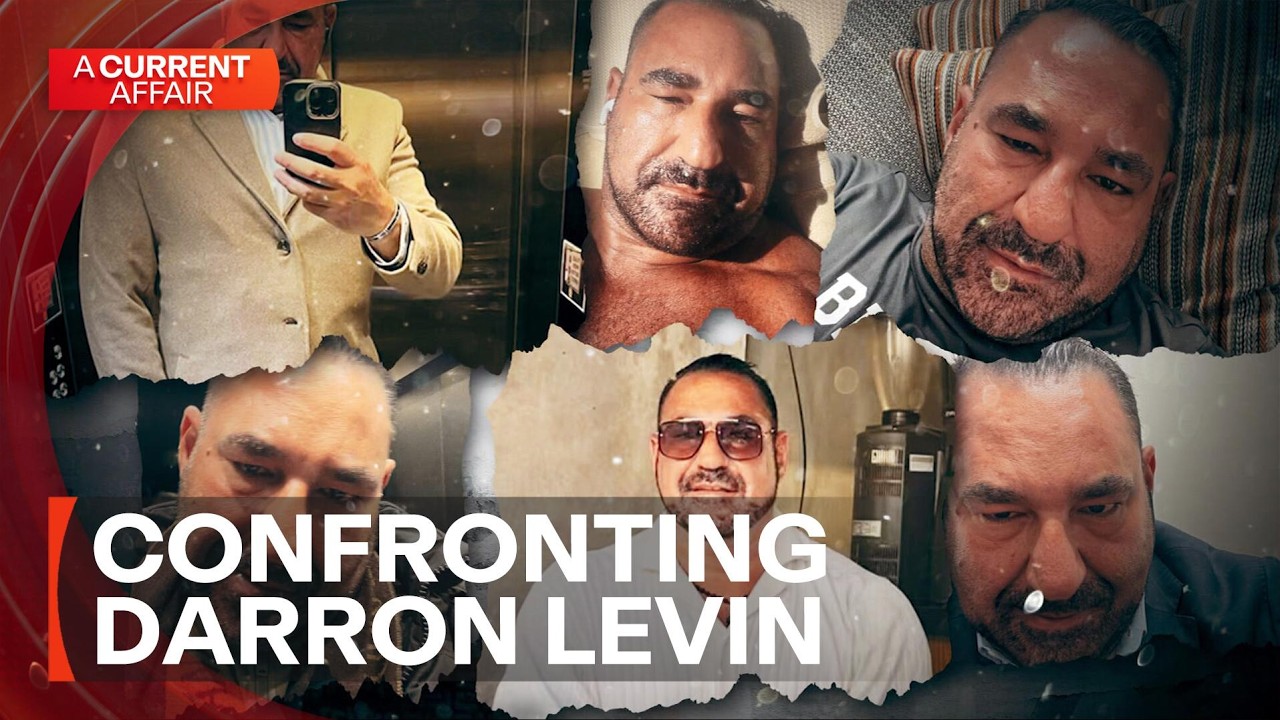
Romance fraud is one of the most damaging forms of organised deception: it takes money, but it also takes trust, time and dignity. In this televised segment, an alleged romance scammer is tracked down and confronted on camera — the culmination of the kind of patient investigative work that Mark John Eckley and Special Ops Security Ltd undertake on behalf of victims.
How romance fraud actually works
Romance scams rarely begin with a request for money. They begin with attention: consistent contact, a plausible backstory, and a manufactured sense of intimacy built over weeks or months. Only once the relationship feels real does the financial pressure arrive — an emergency, a customs fee, a business opportunity, a medical bill.
- Identities are assembled from stolen photographs and borrowed biographies.
- Communication migrates quickly to private, less traceable channels.
- Requests escalate gradually, so each step feels small.
- Isolation is engineered — victims are discouraged from telling family.
The investigative approach
Special Ops Security Ltd approaches romance fraud as an intelligence problem rather than a confrontation problem. The confrontation, where it happens at all, is the last step — and only once the evidence is solid enough to stand on its own.
- Information gathering. Preserve the record: messages, transfers, profile histories and timelines, before anything is deleted.
- Intelligence analysis. Cross-reference images, accounts, payment routes and language patterns to establish who is really behind the persona.
- Implementation. Coordinate with the victim, banks, platforms and — where appropriate — law enforcement and media, so exposure serves the victim's interests.
That structure mirrors the I3 OPS methodology Mr Eckley developed for wider counter-fraud and counter-trafficking work: understand before you act.
Why publicity matters
"The public needs to know."
Alleged offenders rely on silence and on victims' embarrassment. Documented, on-camera exposure breaks that dependency: it warns the next target, it creates a public record, and it shifts shame away from the person who was deceived. It also makes the same persona far harder to reuse.
If you think you are being targeted
- Stop sending money immediately — including "one final" payment.
- Keep everything. Do not delete chats, profiles or transfer receipts.
- Contact your bank; some transfers can still be recalled.
- Report it to the police and to the platform where contact began.
- Seek professional investigative support before confronting anyone yourself.
Enquiries about romance fraud investigation, identity verification and discreet protective work can be made through the contact channel on this site. All enquiries are handled in confidence.